
Why Your Dream Home Needs an Energy Management System

Updated: Jul 16, 2025
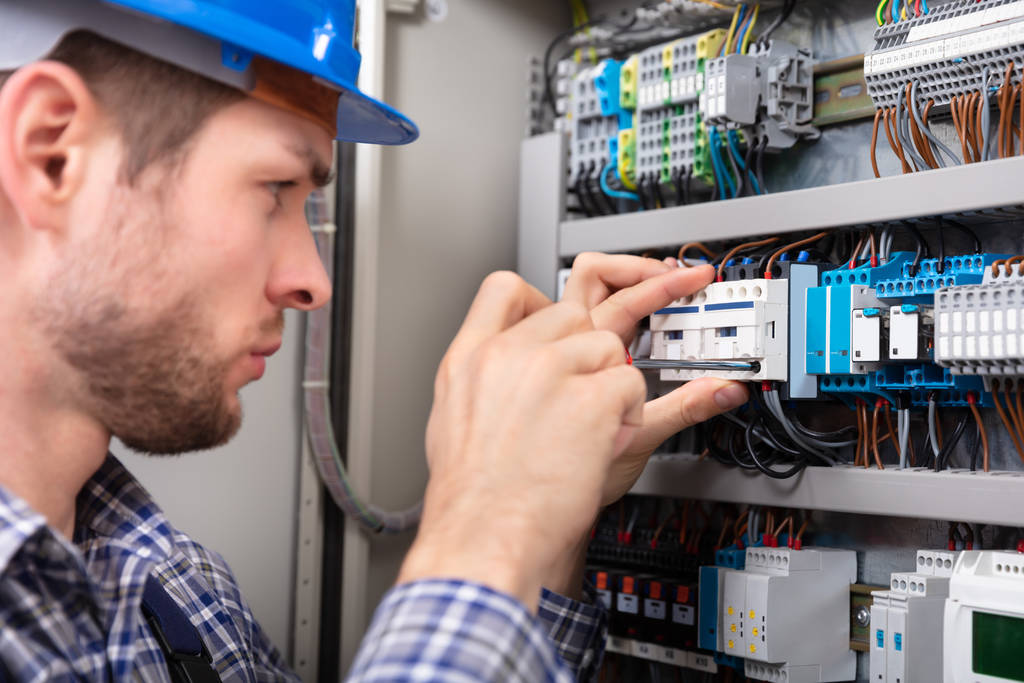
Custom home design is not about selecting tapware and tiles—it's about creating a space that's not just functional but future-proof. Arguably, the least appreciated element of custom home design is how the electricity is managed. While it's much too easy to fall in love with the appearance, the flow of power throughout the house can influence anything from comfort levels to cost. That is where an energy management system (EMS) is its own weight in gold.
The Secret Spine of Modern Houses
Energy management systems are similar to the command centre of an electric home network. An EMS enables monitoring of how, when, and where power consumption occurs to maximise efficiency in power usage and regulation, rather than just supplying electricity without any consideration. This consideration is not limited to the tech-savvy homeowner; anyone building a new house or undertaking extensive remodelling must think about how they will plan their energy management.
With energy bills on the rise and sustainability increasingly at the forefront of environmental issues, new and more inventive approaches are now being developed by homeowners to manage their consumption better. An EMS affords the monitoring of what devices are consuming the most energy, enables programmed use during off-peak times, etc. This can result in considerable cost savings in the long run.
Comfort Meets Control
An EMS doesn't just save you money on energy—it makes your home more comfortable. Heating, cooling, and lighting can be programmed to change in accordance with time of day, weather, or room presence. For example:
Air conditioning will cut production when the house is unoccupied.
Outdoor lighting can react to sunset and dawn.
Underfloor heating can be turned on a short while before waking hours.
These systems provide an unbroken, smart living experience, not a mechanical process one follows. Rather than having to do it manually for temperature or light, the system does it automatically in the background.
Enhancing Safety and Reliability
Power overloads and surges are more than an annoyance—They can ruin equipment and pose a risk to safety. Energy management systems can monitor for anomalies, isolate problems, and alert you before a minor issue becomes a big one. Proactively doing so gives you peace of mind, particularly during storms or grid instability.
Where weather-related power outages are a regular occurrence, an effective system of managing energy loads and having backup power sources is an investment well worth making. For when the unforeseen does happen, having a 24-hour electrician eastern suburbs on call means having assistance at your fingertips when you need it most, especially for businesses that rely on their electrical system to run on a daily basis.
Seamless Integration with Renewables
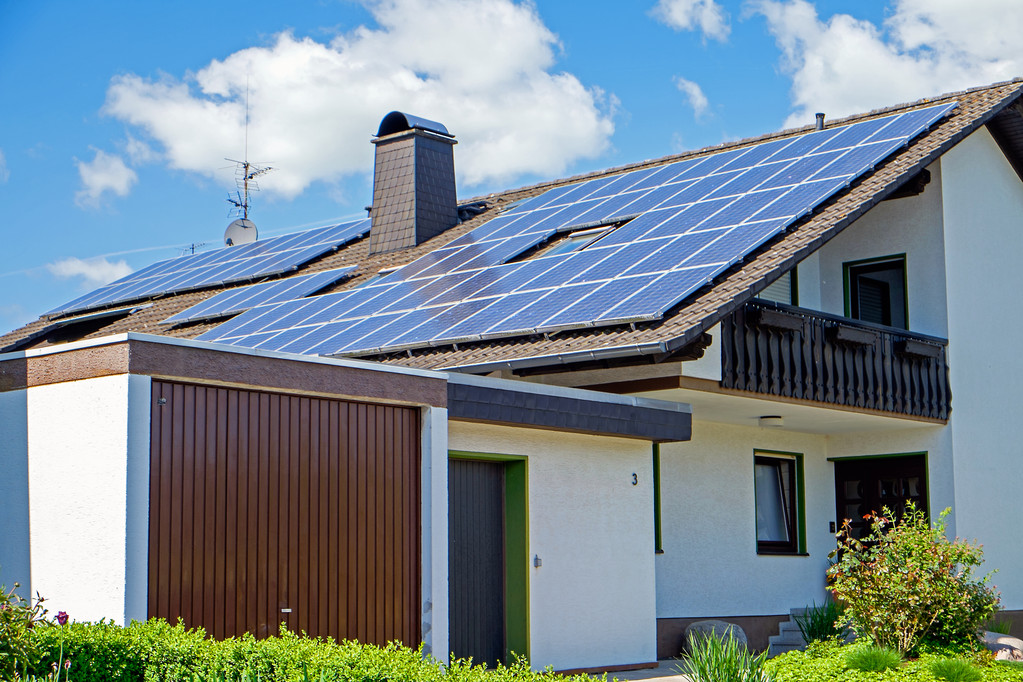
An EMS is most effective when complemented by renewable energy sources. Homes that have implemented solar panels or battery backup can see their full potential by utilising an energy management system in an effort to distribute power where it will be of most use. This convergence creates off-grid capability, decreased dependence on the main grid, and optimal return on investment on green upgrades.
As more attention is given to living sustainably, many potential homebuilders are looking for solar energy courses so they can better understand how to integrate more solar facilities into their homes. Knowing the basics of energy flow and consumption allows for more conscious decisions at the design and building stage.
Planning for the Future
Technology is constantly changing, and the homes that are being built today must be flexible. An EMS facilitates it to scale up or change electrical systems in the future, whether it is about adding electric vehicle charging stations, connecting new smart devices, or adding energy storage.
This future-proofing is also extended to households' lifestyle changes. When families grow or shift into new habits, the system may be adapted without requiring an entire rewrite of the electrical infrastructure. It's not just a matter of efficiency—it's about flexibility and convenience in the long run.
Ideal for Upgrades and Custom Builds
While an energy management system is easiest to incorporate during a custom build, it is still possible to incorporate it when there is widespread renovation. It is particularly suited to homes that are seeking high-performance design, with intelligent capability wedded to environmentally friendly ambitions. Electrical configurations will need to be designed to accommodate control panels, sensor systems, and cabling to enable these functions.
Choosing the right EMS starts with understanding what the house needs. Will some of the rooms need different levels of heat? Are there areas of the house busier at night than in the morning? These are the reasons that a tailored solution is preferable to a one-and-done solution.
A Smart Homeowner Choice Today
Building a dream house is typically life's biggest investment. Getting it to run efficiently, safely, and intelligently is all the effort it's worth. An energy management system is not a nicety, but a necessity in a smart home of the future. With energy demands rising and the expectation of home automation, having the ability to control consumption from a central, intelligent node will become the standard by which homes are run.
Prudent building decisions lead to prudent living, and the installation of an EMS is one of the most prudent decisions a homeowner can make. It brings together savings, environmental responsibility, comfort, and resiliency in the walls of a durable home.


